
Back to the future
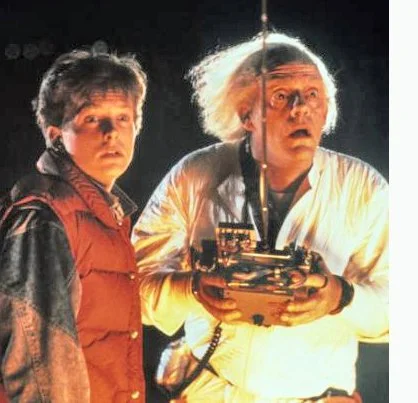
It was Back to the Future when I found this list of ideas from 2004 on an old CD while I was looking for something else.
Remember when Marty McFly travels back to 1955? Well, this blog post isn’t a flux capacitor, but the advice from that old file still holds up surprisingly well more than 20 years later.
Here are a few of the ideas I found:
First impressions mean a lot! (So true)
Be consistent with your logo and all your marketing pieces. Have a unified visual identity and use it consistently across print and digital materials. (Emphasis on branding)
Understand your audience and your message. Identify your target audience and make sure your design and messaging speak to them.
Keep your message simple and clear. Don’t confuse or frustrate your audience. Make it easy for people to understand what you offer and what you want them to do.
Present yourself professionally. Use high-quality images and materials, whether you’re producing a printed piece or creating something for the web.
Pay attention to readability. Are your materials easy to read? Point size, font choice, color, spacing, and leading are just the beginning. Is the typography professional? If you’re not sure, ask a designer for an honest opinion. Is your contact information easy to find? Make it simple for people to get in touch.
Some of the original advice has obviously aged. The warning about materials looking as though they had been copied so many times that the toner was too light? That was definitely a 2004 concern!
What About Books?
Two of the original points were specifically for prospective authors interested in self-publishing:
Does your book cover visually convey the story? Does it fit the genre? Your cover needs to give potential readers an immediate sense of what kind of book they’re looking at.
An effective title, strong graphics, and an interesting use of color can create an attractive cover. I still preach this message. Your book cover is one of your most important marketing tools.
And this advice from 2004 still applies:
Seek professional assistance with your design and production.
A professional designer can help create a distinctive look, image, and visual style for your book, business, or organization—and make sure your materials communicate what you want them to say.
As Marty McFly said: “Doc, about the future…”
Looking back is fun, especially when you discover that advice from 2004 still works today.
Which of these ideas are still relevant? All of them.
Now, let’s talk about your future marketing plans.